

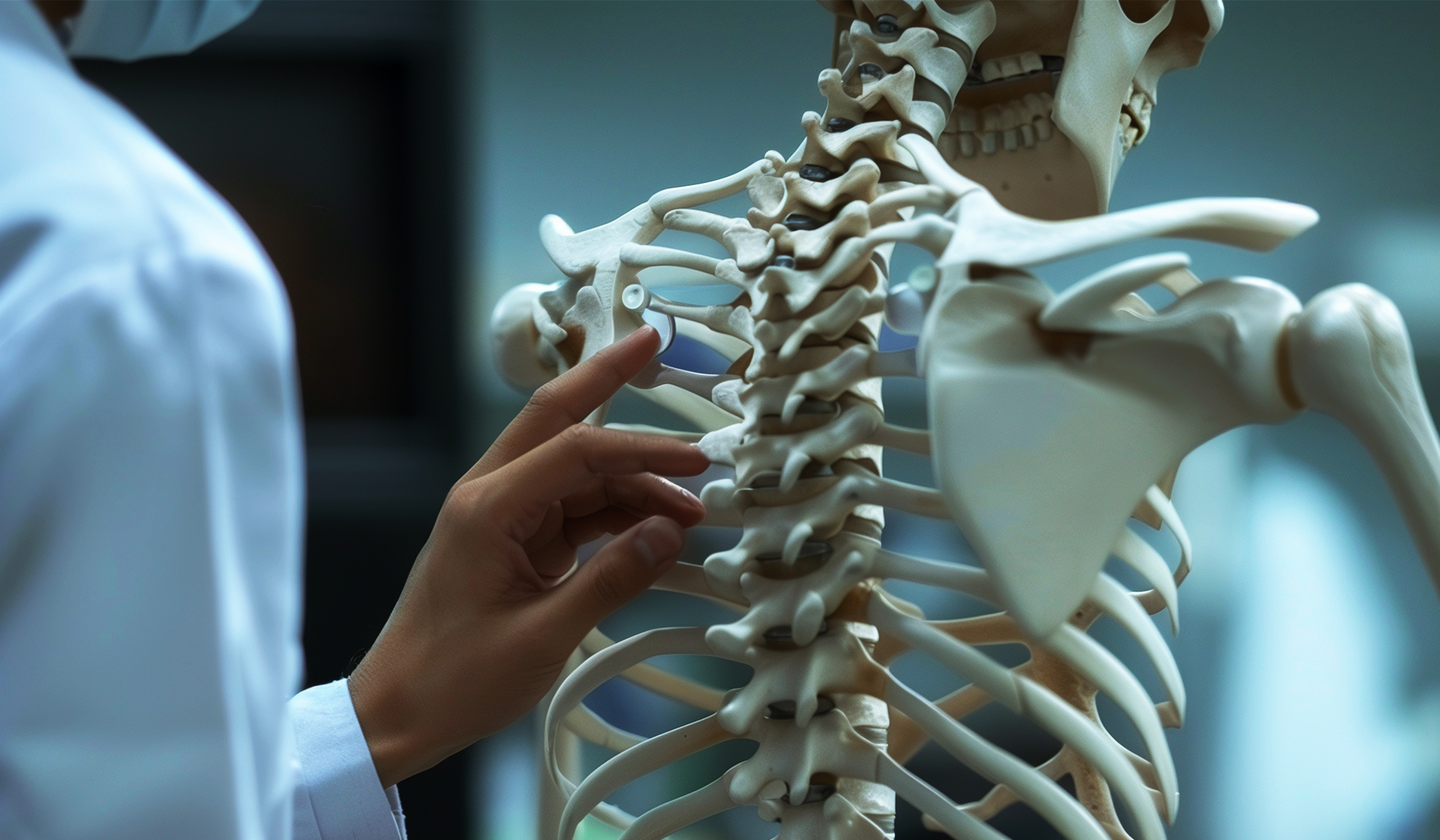
Spinal deformities are abnormalities of the spine that affect its structure, shape, and curvature. The spine is intricately designed and comprises an elegant stack of vertebral bones and intervertebral discs. These structures, which are essential components, stabilise and maintain the erect structure of the spine.
Thankfully, there are surgical interventions available to correctly align and stabilise the spine. This should provide reassurance to all patients that there is a solution.
Different Types of Spinal Deformities
An unnatural curvature and shape of the spine can cause disabling symptoms such as pain and trouble with movement. Spinal abnormalities may arise from several reasons related to spinal degeneration, the natural effects of age, trauma and congenital abnormalities.
The different types of spinal abnormalities include the following:
Kyphosis
With a disorder like kyphosis, the upper part of the back curves forward abnormally. This disorder leads to the formation of a hump, creating a hunchback appearance.
Lordosis
Lordosis, also known as swayback, occurs when the lower back curves inward due to an abnormality.
Scoliosis
Scoliosis is another structural spinal deformity. It causes the spine to curve excessively, resembling a “s” or “c” shape when viewed from the side. This is known as a side-to-side spinal curvature.
Treatment for Spinal Deformities
The aim of treatment for spinal deformities is to alleviate pain, reduce strain on the spine, and minimise the risk of spinal disc deterioration and deterioration of the spinal structure.
Surgery is considered when the curve results in debilitating symptoms and the pain is unresponsive to medical management and conservative care. Conservative options include physical therapy and bracing. However, surgery is reserved for extreme cases, which result in excessively debilitating symptoms and pain. Spinal surgery, often reserved for extreme cases, involves immobilising and realigning the spine. It accurately corrects the structure of the spine and alleviates symptoms.
Procedures
- Degenerative Spinal Pathology Management
- Minimally Invasive Spinal Procedures
- Surgical Treatment of Spinal Deformities
- Management of Complex Spinal Pathology (traumatic and congenital)
- Paediatric Spinal Surgery
- Spinal Cord Injury Care
- General Orthopaedics
- Orthopaedic Trauma
- Spine Trauma and Fracture Management
FAQ
- Abnormal or uneven spinal curvature.
- The shoulders appear unnaturally high or excessively prominent.
- Uneven hips and protrusion of the shoulder blade
- Excessive back pain
- Ill-fitting clothes
- An X-ray measures how excessive the curvature is
- A comprehensive physical examination assesses back alignment and posture

Putting Our Patients First.